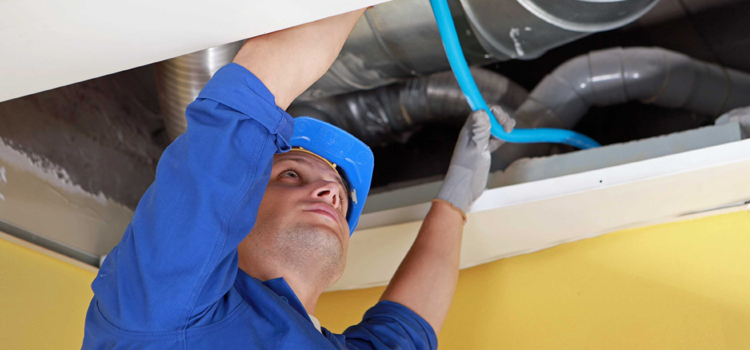

Indoor air quality concerns often surface during renovations, seasonal HVAC use, or safety checks in residential and commercial buildings. In Toronto, air duct cleaning services vary widely in how they perform the work.
These differences affect cleanliness, system performance, and long-term reliability. Understanding how duct cleaning techniques compare helps property owners and facility managers make informed decisions rather than relying on surface-level claims.
Why Air Duct Cleaning Techniques Vary Between Toronto Companies
Toronto’s building stock includes older homes, high-rise condos, mixed-use facilities, and large industrial properties. Each environment presents unique duct layouts and contamination levels. Some companies invest in industrial-grade equipment and trained technicians. Others rely on simplified methods designed for speed rather than thoroughness. Pricing models, technician experience, and service scope all influence which technique is used and how effective it is.
Common Air Duct Cleaning Techniques Used in Toronto
Several air duct cleaning approaches are commonly offered across the city:
- Truck-Mounted Negative Air Systems: High-powered vacuums create sustained suction, pulling debris from the duct system, while agitation tools loosen buildup.
- Portable Vacuum Systems: Smaller units are brought indoors. These systems vary in power and are often used in apartments or limited-access spaces.
- Compressed Air Agitation: Air whips or skipper balls dislodge dust and debris, which is then captured by a connected vacuum source.
- Rotary Brush Cleaning: Mechanical brushes scrub the interior of ducts. Effectiveness depends on brush type and duct material.
- Surface Vent Cleaning Only: Limited cleaning focused on registers and visible areas rather than the full air stream.
Each technique can serve a purpose when matched correctly to the building type and duct condition.
Techniques That May Signal Lower-Quality Service
Certain practices often indicate reduced depth of air duct cleaning services:
- Reliance on household vacuums or low-powered portable units
- Cleaning is limited to vents without accessing the main trunk lines
- No isolation of HVAC components during cleaning
- Absence of debris containment or negative pressure control
- Short service times that do not align with system size
These approaches may remove visible dust but leave deeper contamination untouched. In commercial settings, this can affect compliance and operational efficiency.
How Toronto Duct Cleaning Companies Differ by Technique
Professional air duct cleaning services in Toronto emphasize full-system cleaning rather than isolated components. This includes:
- Establishing controlled negative pressure throughout the duct network
- Cleaning supply ducts, return ducts, and HVAC components together
- Using sealed access points that are properly restored after service
- Applying HEPA-level filtration where required
- Adjusting techniques based on duct material, layout, and usage
In facilities such as hospitals, laundromats, and factories, technique selection must account for higher particulate loads and continuous system operation.
How to Evaluate Which Air Duct Cleaning Technique Fits a Property
Selecting the right approach depends on several factors:
- Property Type: Condos, detached homes, and industrial buildings require different access strategies.
- System Size and Layout: Larger systems benefit from truck-mounted equipment with sustained airflow.
- Contamination Source: Renovation debris, lint buildup, or long-term dust accumulation requires different agitation tools.
- Safety Considerations: Dryer duct cleaning and related HVAC maintenance tasks demand containment and fire risk awareness.
Clear explanations of how each technique applies to the property indicate thoughtful service planning rather than a one-size approach.
Why Technique Transparency Matters More Than Marketing Claims
Air duct cleaning outcomes depend heavily on the chosen technique and its execution. In Toronto’s diverse residential and commercial environments, understanding these differences supports better decision-making about indoor air quality. Clear explanations, appropriate equipment, and system-level cleaning matter more than surface-level claims.
Marketing language often focuses on results without explaining how those results are achieved. Technique transparency provides clarity. It outlines the areas to be cleaned, the equipment to be used, and how debris will be removed. This information helps decision-makers compare services objectively and avoid making assumptions based solely on price.
For property owners and facility managers seeking clarity on duct cleaning methods, requesting an assessment is a practical next step. Contact City Duct Cleaning Inc. for professional air duct cleaning in Toronto, performed by trained professionals.