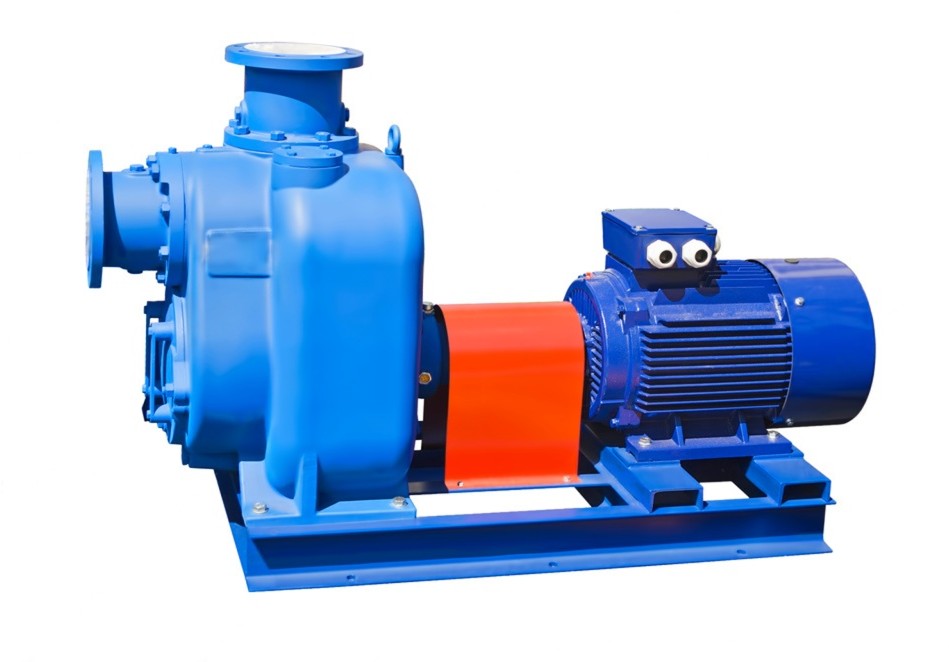

Unexpected downtime, air leaks, or poor suction performance can disrupt industrial processes that rely on stable fluid movement. A self-priming water pump handles intermittent air-and-liquid mixtures, but its performance still depends on proper setup and operation.
Proper handling helps a self-priming water pump maintain consistent flow, reduce maintenance issues, and support predictable system performance. The following steps outline how proper operating practices shape reliability and efficiency in industrial pump systems.
1. Understand How a Self-Priming Water Pump Works
A self-priming water pump removes air from the suction line by mixing it with liquid inside the casing. This process creates a vacuum that draws fluid into the pump.
Key points to understand:
- The pump casing must retain liquid to enable priming
- Air and liquid separation occur within the casing
- Priming time depends on suction lift and system design
A clear understanding of this process helps prevent incorrect startup and repeated priming failures.
2. Inspect the Pump and System Before Startup
A thorough inspection of a self-priming water pump reduces the risk of operational problems.
Important checks include:
- Condition of seals and gaskets
- Tightness of connections
- Alignment between the pump and the motor
- Cleanliness of the suction line
Small issues such as loose fittings or worn seals can allow air entry, which affects priming efficiency.
3. Fill the Pump Casing with Water Before Starting
Self-priming pumps require an initial volume of liquid inside the casing.
Ensure the following:
- The casing is completely filled with water
- No trapped air pockets remain
- Fill ports are properly sealed after priming
Without sufficient liquid, the pump cannot create the vacuum needed to draw fluid from the source.
4. Verify Proper Suction Line Conditions
The suction line plays a critical role in how quickly and efficiently a self-priming water pump operates.
Key considerations:
- Keep suction lines as short and straight as possible
- Avoid sharp bends or restrictions
- Ensure all joints are airtight
- Maintain proper suction lift within design limits
Air leaks or excessive lift can delay priming or prevent it entirely.
5. Start the Pump and Observe the Priming Process
Once started, the self-priming pump begins to remove air and establish flow.
During this phase:
- Listen for irregular noise or vibration
- Watch for a steady flow after priming completes
- Confirm pressure stabilization
Priming should occur within the expected timeframe. Delays may indicate suction issues or insufficient casing fill.
6. Monitor Pump Performance During Operation
After priming, the pump should maintain stable performance.
Monitor:
- Flow rate and discharge pressure
- Temperature of the pump and motor
- Noise and vibration levels
Stable readings indicate that the pump is operating near its intended performance range. Sudden changes often signal developing issues.
7. Follow Proper Shutdown Procedures
A correct shutdown helps maintain the liquid required for the next priming cycle.
Best practices:
- Stop the pump gradually where applicable
- Ensure check valves are functioning properly
- Prevent backflow that could drain the casing
Maintaining liquid in the casing supports faster and more reliable startup during the next cycle.
Common Issues That Affect Self-Priming Water Pump Performance
Safe and efficient operation of a self-priming water pump depends on consistent practices across setup, startup, and shutdown. Each step supports stable flow, reduces wear, and improves system performance.
Several factors can reduce the effectiveness of a self-priming water pump:
- Air leaks in suction piping
- Insufficient liquid in the casing
- Blocked or restricted suction lines
- Excessive suction lift
- Worn internal components
Addressing these issues early helps avoid repeated priming failures and system downtime.
For businesses evaluating system requirements or equipment options, reviewing available configurations for self-priming centrifugal pumps is an important consideration. Contact Vissers Sales Corp. to support better alignment with operational needs.