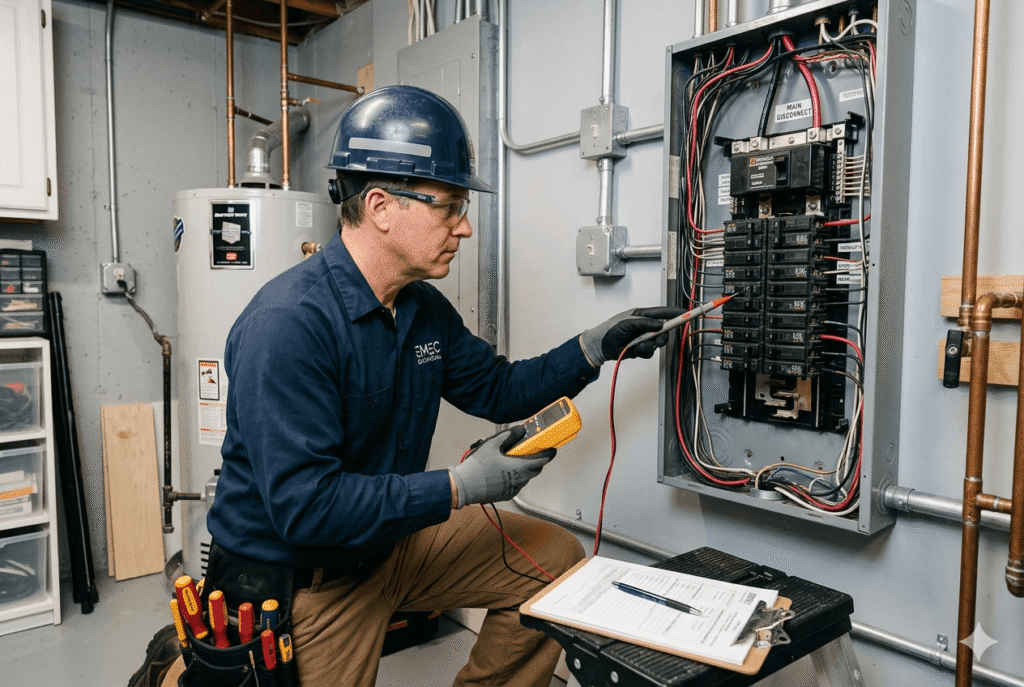

Electrical systems operate behind walls and panels, often unnoticed until something fails. Inspections provide visibility into system condition, code compliance, and potential hazards before they become costly or dangerous.
For homeowners and business operators alike, understanding the types of inspection services available helps prevent surprises during renovations, insurance reviews, or property transactions. Whether scheduling an electrical home inspection or planning a broader compliance review, it is essential to know what each inspection covers.
1. Pre-Sale Home Inspections
When buying or selling a property, an electrical home inspection helps establish the system’s safety and compliance status. Buyers gain insight into potential upgrades, while sellers can address issues proactively before listing.
Pre-sale inspections typically include:
- Panel and breaker evaluation
- Outlet and switch testing
- Verification of grounding and bonding
- Identification of outdated wiring methods
These inspections reduce uncertainty during negotiations and provide documented findings for both parties.
2. Commercial Code Compliance Reviews
Businesses are subject to stricter regulatory oversight than residential properties. A commercial electrical inspection evaluates whether power systems, emergency lighting, signage, and equipment connections comply with the Ontario Electrical Safety Code.
Commercial compliance reviews often focus on:
- Load distribution and panel capacity
- Emergency lighting and exit signage
- Proper labeling and circuit identification
- Safe installation of equipment and machinery
Routine commercial inspections help reduce downtime and prevent inspection-related delays during licensing or occupancy reviews.
3. Renovation or Upgrade Inspections
Major renovations frequently involve electrical changes. Adding circuits, upgrading panels, or modifying layouts requires evaluation and inspection to confirm compliance.
Residential electrical inspections during renovation projects ensure:
- New wiring meets current code
- Load calculations support added demand
- Grounding and bonding are correctly installed
- ESA permits are filed and approved
Inspection at this stage prevents rework and confirms that upgrades align with regulatory standards.
4. Insurance-Required Inspections
Insurance providers may request inspections for older homes or properties with legacy wiring systems. An electrical home inspection can identify issues such as aluminum wiring, knob and tube remnants, or outdated panels.
In some cases, insurers require corrective work before issuing or renewing coverage. Licensed inspections provide documentation demonstrating compliance or outlining required upgrades.
5. Post-Installation Safety Checks
After significant electrical installations—such as panel upgrades, EV charger setups, or commercial system changes—a follow-up inspection verifies proper installation. These inspections confirm:
- Correct breaker sizing
- Proper conductor terminations
- Functional safety devices
- Compliance with permit requirements
A commercial electrical inspection following equipment installation helps businesses confirm systems are safe and ready for operation.
Inspections Are an Investment in Safety
Electrical inspections are not simply procedural steps—they are safeguards that protect property, occupants, and long-term investment. From pre-sale assessments to commercial compliance reviews, each inspection type serves a specific purpose in maintaining safe, reliable systems.
Scheduling licensed residential electrical inspections or commercial reviews ensures electrical infrastructure meets today’s standards and supports future needs. For dependable inspection services, contact Canadian Wire Wizards to arrange a compliant evaluation tailored to the property.